



November 17, 2026
The Comisión Estatal del Agua (CEA) has begun a 17.6-million-peso project to upgrade wastewater pumping stations in Guaymas and San Carlos, with new equipment intended to improve sewage flow and reduce blockages.
The project began November 10. The first phase covers seven pumping stations. Two stations in San Carlos are scheduled to receive new grinder pumps after equipment arrives in December.
According to a November 11 report by FM105, CEA administrator César Javier Granich Duarte confirmed an investment of 17,609,522.16 pesos.
Which Pumping Stations Are Being Upgraded?
Installation work began at four stations in Guaymas:
- Bacochibampo: Two 7.5-horsepower submersible pumps designed to handle solids.
- El Tular: Two similar 7.5-horsepower pumps.
- Las Tinajas: Equipment rated at 2 horsepower.
- Los Pinos: Two 30-horsepower pumps.
Six additional grinder pumps are expected to arrive in December for three stations:
- San Francisco (Cárcamo 9), San Carlos
- El Coralito (Cárcamo 8), San Carlos
- Miramar, Guaymas
The San Carlos improvements have been planned for several months. In April 2026, CEA announced that a technical study had identified the need for grinder pumps to address recurring blockages caused by solid waste, specifically identifying San Carlos stations 8 and 9 as priorities.
CEA has not provided a confirmed installation or commissioning date for the December equipment. The precise allocation and specifications of those six pumps also remain unclear.
Why These Upgrades Matter
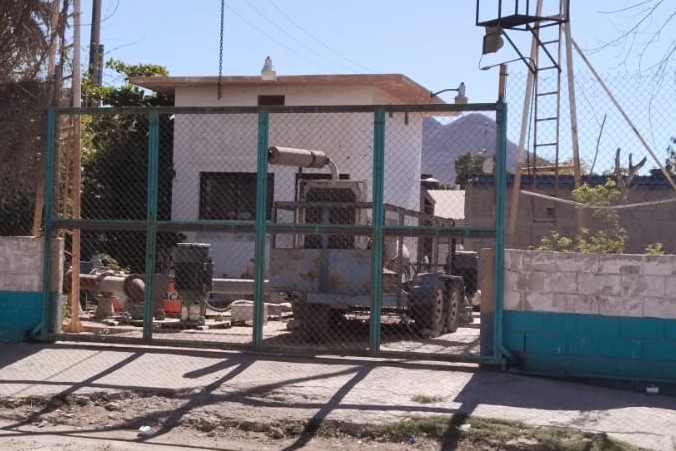
A wastewater pumping station, known locally as a cárcamo, collects sewage and pumps it through the drainage network toward treatment facilities or other parts of the system.
When pumps become blocked or stop operating, wastewater can back up and overflow into streets, creating unpleasant odors, sanitation concerns and disruptions for residents and businesses.
The new equipment is intended to handle solid materials more effectively. Grinder pumps break down solids before pumping wastewater through the system, reducing the risk of obstructions.
However, better pumps alone cannot eliminate sewage overflows. Broken sewer pipes, electrical outages, rainwater entering the drainage network, inadequate treatment capacity and other infrastructure problems also affect reliability.
These vulnerabilities were evident during the October 30 storms. FM105 reported that electrical failures affected Guaymas pumping stations, while elevated water levels forced temporary shutdowns at San Carlos stations 8 and 9.
Wastewater treatment capacity is another part of the problem. In September 2026, the Sonora government announced plans to invest 625.7 million pesos in four wastewater treatment plants serving Guaymas and San Carlos: Ranchitos, Guaymas Norte, Malecón and La Salada. These are separate from the current pumping upgrades. Construction progress and completion dates have not been independently verified.
What Happened to the Previous $70 Million Peso Investment?
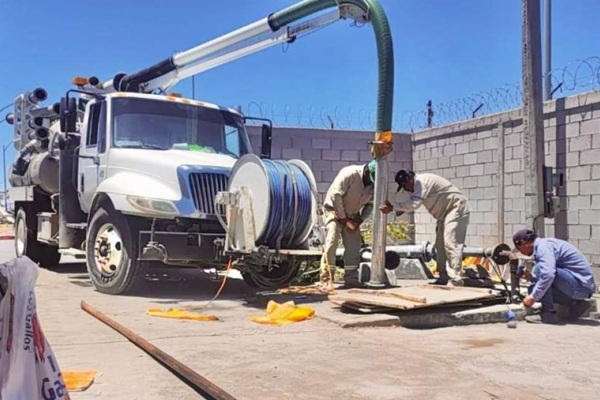
In August 2024, the Sonora government announced a 70-million-peso rehabilitation program covering 17 Guaymas wastewater pumping stations.
Officials reported more than 91% completion in August 2024 and said the project would resolve longstanding sewage-overflow problems. The rehabilitation included pumping equipment, electrical installations, transformers and structural improvements, depending on each station’s needs.
Five stations included in the current project—Bacochibampo, El Tular, Las Tinajas, Los Pinos and Miramar—were also covered by the earlier program.
Nevertheless, drainage problems have continued. Following the late-October 2026 storms, Tribuna reported widespread sewage overflows, while Meganoticias documented further complaints from Guaymas residents on November 12.
It remains unclear whether the latest equipment replaces or supplements pumps installed during the earlier rehabilitation.
What Happens Next?
The next milestone is the expected December delivery of six grinder pumps, including equipment destined for San Carlos. Delivery does not necessarily mean installation and commissioning will be completed in December.
As of November 17, CEA had not publicly confirmed whether the first four stations were fully operational or announced a completion date for the overall project.
The investment represents another effort to improve local wastewater infrastructure. Its effectiveness will ultimately be measured by whether residents experience fewer sewage backups and overflows, supported by reliable equipment, ongoing maintenance and improvements to the broader wastewater system.
Related Information
Where Does Our Water Come From? San Carlos & Guaymas Water Supply Explained — Learn about the region’s drinking-water sources, infrastructure challenges, service interruptions and planned improvements. Drinking-water supply and wastewater management are separate systems, but both are important to the area’s continued growth.
CEA San Carlos – Contact Information — Find local CEA contact details and information about reporting water leaks and drainage problems.