




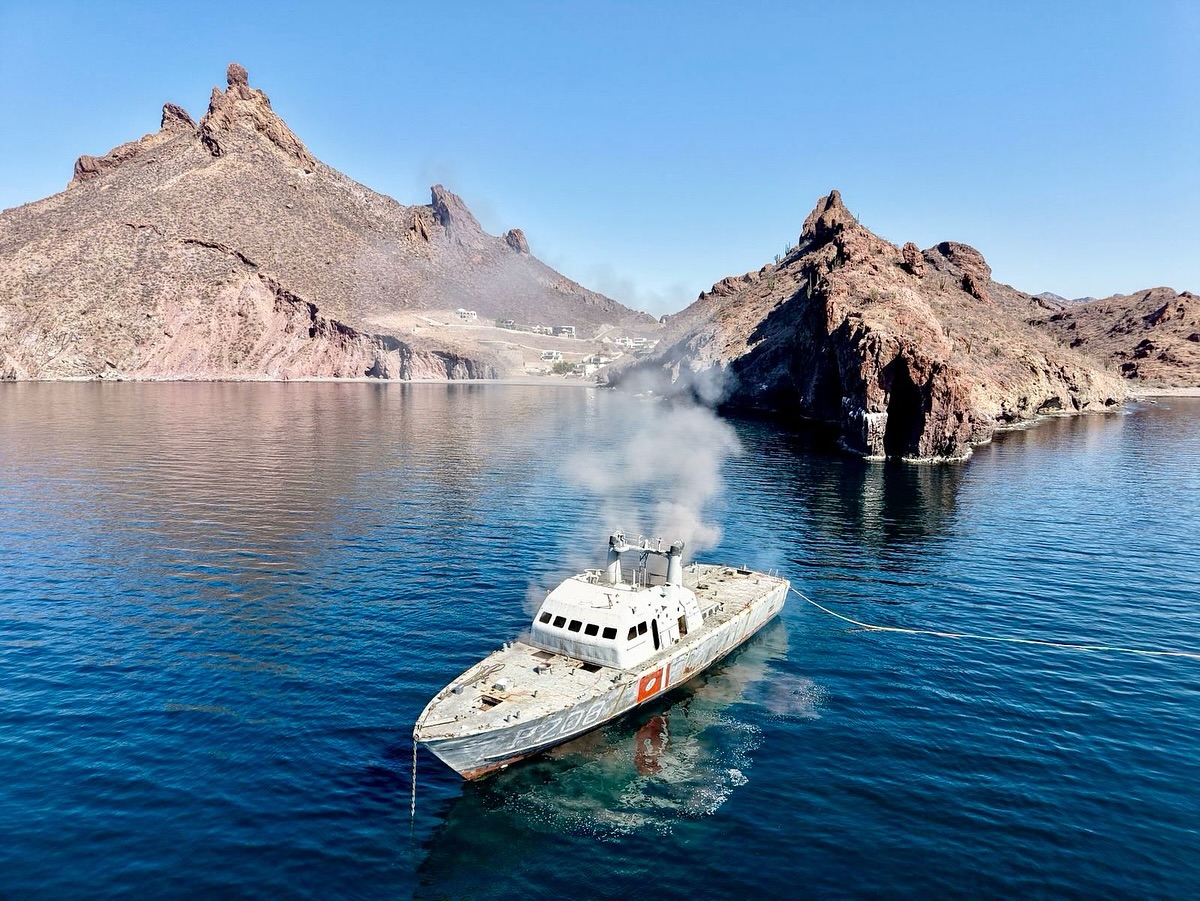
 Since the first vessel was sunk in 2022, the reef system has continued to grow. As of August 2026, 14 artifacts have been placed on the seafloor, with 16 now planned for the expanded project, creating an underwater park that attracts thousands of fish and provides exciting new dive sites for recreational divers.
Since the first vessel was sunk in 2022, the reef system has continued to grow. As of August 2026, all of the planned 14 naval artifacts have been placed on the seafloor, creating an underwater park that attracts thousands of fish and provides exciting new dive sites for recreational divers.
Whether you’re an experienced diver, an adventurous snorkeler, or simply curious about one of Sonora’s most unique ecotourism projects, the Sonoran Artificial Reef System offers an unforgettable glimpse into how retired naval vessels can be transformed into thriving underwater ecosystems.
Current Status – as of August 2026
- Status: 14 of 16 planned artifacts installed
- Latest addition: ex-ARM Ángel Ortiz Monasterio (August 2026)
- Location: San Carlos, Sonora, Mexico
- Best for: Scuba diving, underwater photography and marine life viewing; some sites may also be visible to experienced snorkelers when conditions and visibility permit.
- Depths: Approximately 42–55 feet (13–17 meters) for the main shipwrecks
What is the Sonoran Artificial Reef System?
The Sonoran Artificial Reef System is an ambitious marine conservation and tourism project located off the coast of San Carlos, Sonora. Instead of allowing retired naval vessels and equipment to be scrapped, they are carefully cleaned, prepared, and intentionally sunk to create artificial reefs that provide habitat for marine life while offering new attractions for divers and snorkelers.
The project is designed to:
- Create new habitat for fish, crustaceans, mollusks, corals, algae, and other marine species
- Increase biodiversity in the Sea of Cortez
- Promote sustainable ecotourism
- Expand recreational diving opportunities in San Carlos
- Position Sonora as one of Latin America’s premier diving destinations
The original 14-artifact plan has now been completed, and the project has since been expanded to 16 artifacts, further increasing the size and diversity of the Sonoran Artificial Reef System.
Where is the Artificial Reef Located?
The reef system is located just offshore from San Carlos, Sonora, between Punta El Cautín and Punta Doble, near the iconic Tetakawi Mountain.
Most of the sites are only a short boat ride from San Carlos Marina, making them easily accessible to local dive operators and private boaters.
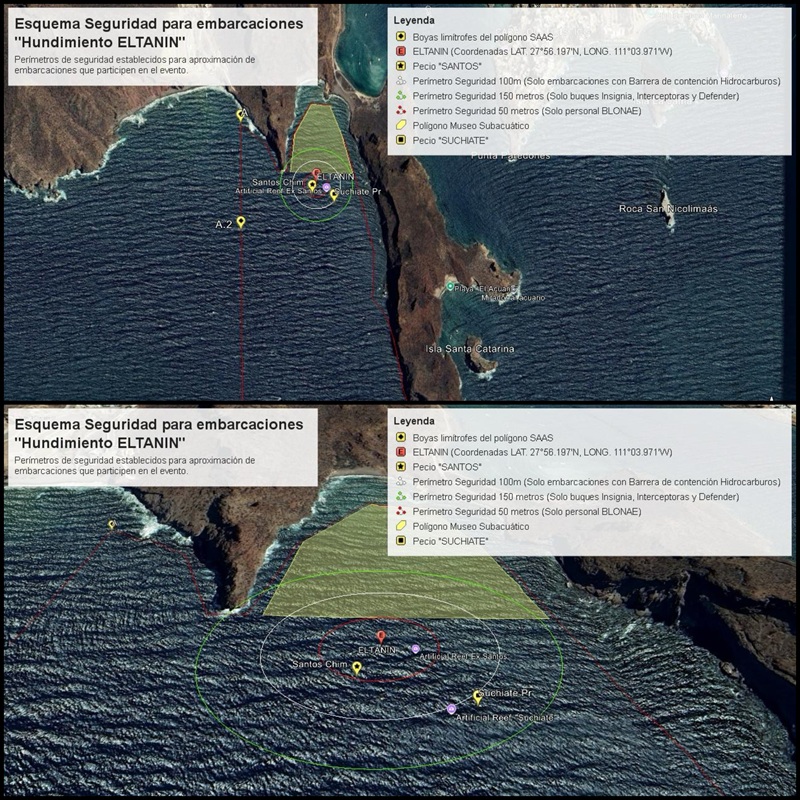
See the image below for the location of some of the sites.
Sunken Ships and Artifacts
As of August 2026, official sources report that 14 of the 16 artifacts now planned for the Sonoran Artificial Reef System have been installed. The reef includes former Navy ships as well as aircraft, an amphibious vehicle and naval artillery.
| # | Artifact | Type | Installation |
|---|---|---|---|
| 1 | Ex-Buque ARM Santos PO-106
It’s 237 feet long and is resting on the sandy bottom at about 52 feet. Read more about Santos dive site. |
Ship | March 3, 2022 |
| 2 | Ex-Buque ARM Suchiate BI-05
It’s 180 feet long and is on a slight incline, 50 feet at the bow and 55 feet at the stern. Read more about Suchiate dive site. |
Ship | March 15, 2024 |
| 3 | Ex-Buque ARM El Tanin
This 13-meter-long vessel is in the same area as the previous two ships. El Tanin is the smallest at 40 feet and the shallowest of the shipwrecks at approximately 42 feet. |
Ship | March 30, 2025 |
| 4 | Ex-Buque ARM Juan Antonio de la Fuente PC-208
La Fuente is about 110 feet long and sits at 52 feet. |
Ship | April 12, 2025 |
| 5 | APC-70, matrícula 100080 | Amphibious vehicle | Nov./Dec. 2025 |
| 6 | 40 mm twin gun mount #1 | Artillery | Nov./Dec. 2025 |
| 7 | 40 mm twin gun mount #2 | Artillery | Nov./Dec. 2025 |
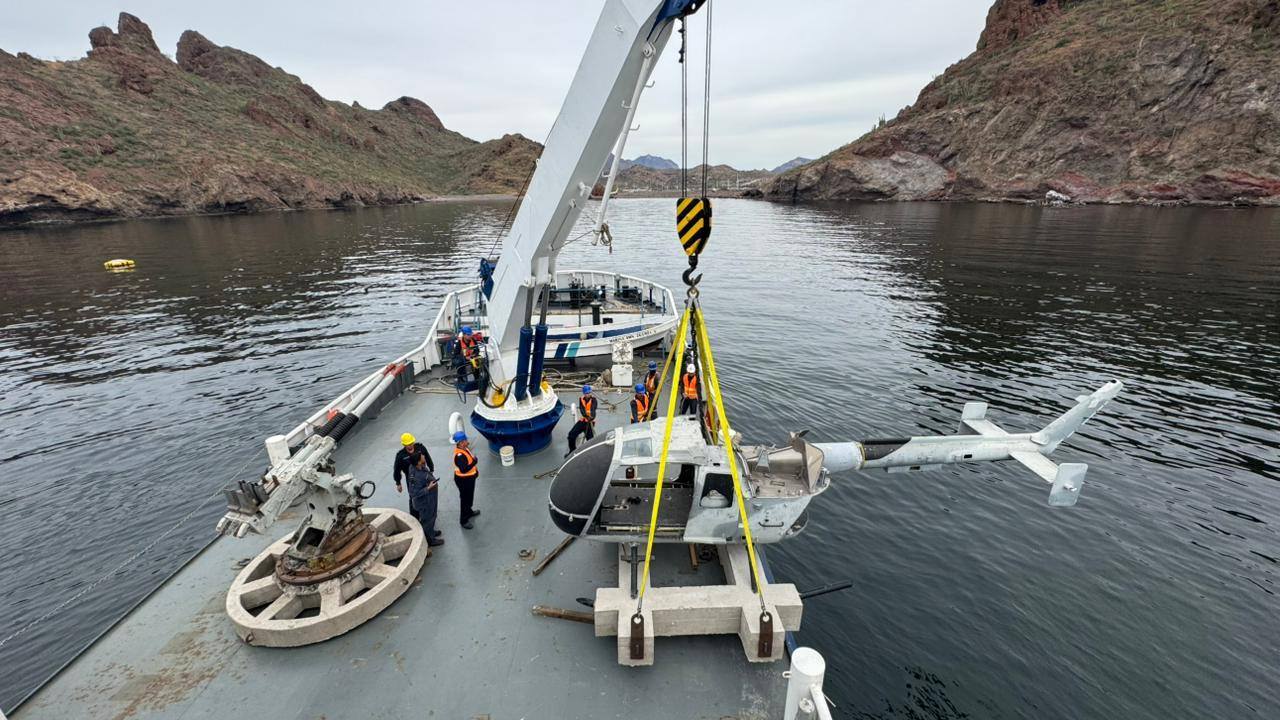
| 8 | Bolkow BO-105 helicopter | Aircraft | Nov./Dec. 2025 |
| 9 | CASA C-212 aircraft fuselage | Aircraft | December 3, 2025 |
| 10 | 3-inch/50-caliber single gun mount | Artillery | December 3, 2025 |
| 11 | Ex-Buque ARM Cabo Corrientes | Ship | February 1, 2026 |
| 12 | Unidentified in available sources | — | — |
| 13 | Ex-Buque ARM Mariscal PC-211 | Ship | July 2026 |
| 14 | Ex-Buque ARM Ángel Ortiz Monasterio | Ship | August 20, 2026 |
Official sources identify the August 2026 sinking of ex-ARM Ángel Ortiz Monasterio as artifact #14. We have not yet found a reliable source identifying artifact #12 by name.
Each artifact adds another structure for marine life to colonize and creates new underwater attractions for divers.
Here is the sinking of a Bolkow helicopter – sunk December 4, 2025:
Marine Life at the Artificial Reef
Artificial reefs quickly become underwater neighborhoods, and the Sonoran Artificial Reef System is no exception.
Because the Ex Santos has been underwater the longest, it now supports thriving marine life that was once uncommon over the surrounding sandy bottom. Huge schools of fish move through the open compartments, while octopus, crabs, nudibranchs, and countless other invertebrates have made the wreck their home.
As the newer ships mature, they are expected to develop into equally vibrant ecosystems.
Depending on the season and visibility, visitors may encounter:
- Large schools of reef fish
- Octopus
- Nudibranchs
- Crabs
- Mollusks
- Rays
- Numerous reef invertebrates
- Colorful algae and marine growth
Each visit offers something different as the reef continues to evolve.
Diving and Snorkeling the Reef
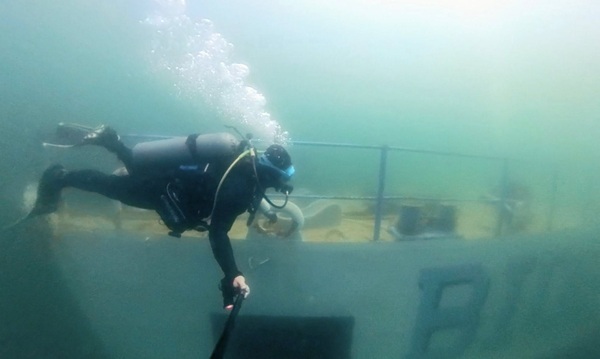
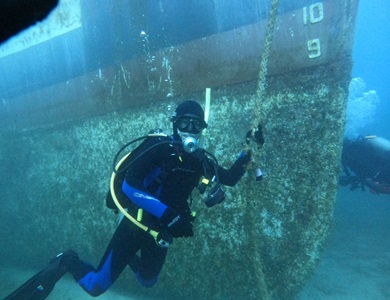
The Sonoran Artificial Reef System offers exciting opportunities for recreational divers, underwater photographers, and, during periods of good visibility, experienced snorkelers.
The ships have been specially prepared for recreational diving, with openings that allow trained divers to safely explore portions of the wrecks while remaining within recreational diving depths.
As marine life continues to grow on each structure, every visit reveals new colors, new species, and new photographic opportunities.
If you’re planning to explore the reef, consider joining one of San Carlos’ experienced local dive operators who know the conditions and can safely guide visitors to the various sites.
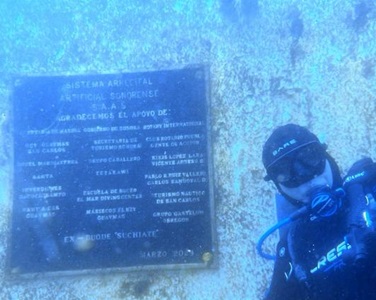
Who Created the Reef System?
The project is a collaborative effort between the Government of Sonora’s Department of Tourism and the Mexican Navy, whose vision was to create a world-class artificial reef system that benefits both marine conservation and the local tourism economy.
Additional support has come from organizations including the Rotary Club of Puebla, which helped fund the sinking of the Suchiate, and El Mar Diving Center in San Carlos, which has played a key role in the project’s development and ongoing promotion.
Rules for Visiting
Whether you’re diving from a commercial operator or your own boat, protecting the reef is everyone’s responsibility.
Please remember:
- Always tie up to the designated mooring buoys.
- Never drop an anchor on or near the reef.
- Do not remove artifacts or marine life.
- Practice good buoyancy control while diving.
- Leave the reef exactly as you found it so future visitors can enjoy it too.
These simple practices help ensure the reef continues to flourish for generations to come.
14th Artifact Added: ex-ARM Ángel Ortiz Monasterio (August 2026)
The Sonoran Artificial Reef System reached a major milestone on August 20, 2026, when the 67-metre former Mexican Navy patrol vessel ex-ARM Ángel Ortiz Monasterio was deliberately sunk off San Carlos. The vessel became the 14th artifact incorporated into the Sonoran Artificial Reef System, bringing the expanded project another step closer to completion.
Its sinking marks the completion of the original plan for the Sonoran Artificial Reef System, which began with the sinking of the Ex-Buque Santos (PO-106) in March 2022. In just over four years, the project has transformed a collection of retired naval ships, aircraft, vehicles and artillery into a network of artificial reefs off the coast of San Carlos.
The Monasterio now begins its second life beneath the Sea of Cortez. Over time, marine organisms will colonize the vessel, attracting fish and other sea life and gradually transforming the former patrol ship into a living reef and a new destination for recreational divers.
The Monasterio completed the reef system’s original 14-artifact plan. With the project now expanded to 16 artifacts, two additional installations are expected to further develop the artificial reef.
ARM Mariscal PC-211 (July 2026)
In July 2026, the former Mexican Navy patrol vessel ARM Mariscal PC-211 became the 13th addition to the Sonoran Artificial Reef System.
The ship will gradually become home to algae, invertebrates, fish and other marine life. Its sinking brought the project one step closer to completion, which followed the next month with the addition of the ex-ARM Ángel Ortiz Monasterio.
Map of the Dive Sites
The map below shows the location of several of the reef’s most popular dive sites, including the Santos, Suchiate, and El Tanin. The 14 artifacts are located within the larger Sonoran Artificial Reef System off the coast of San Carlos.
Photos of the Sonoran Artificial Reef System

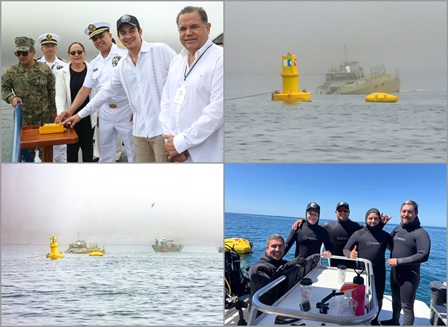

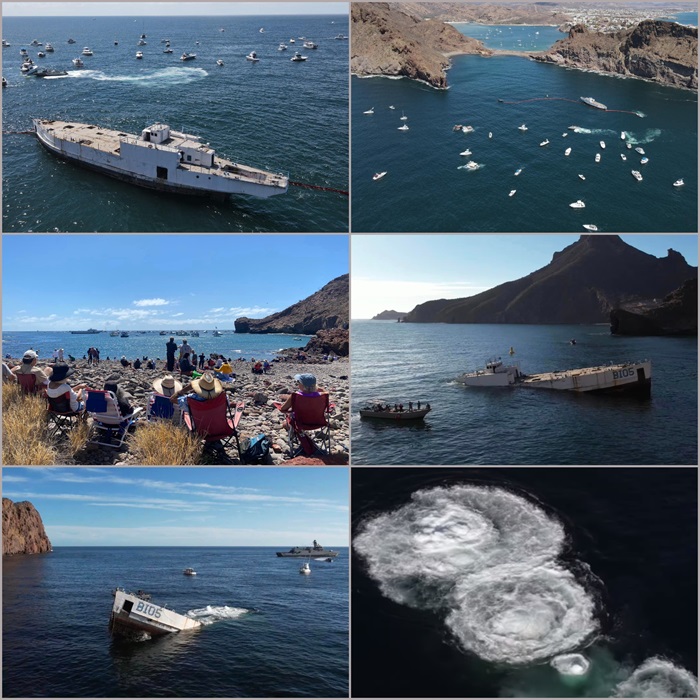
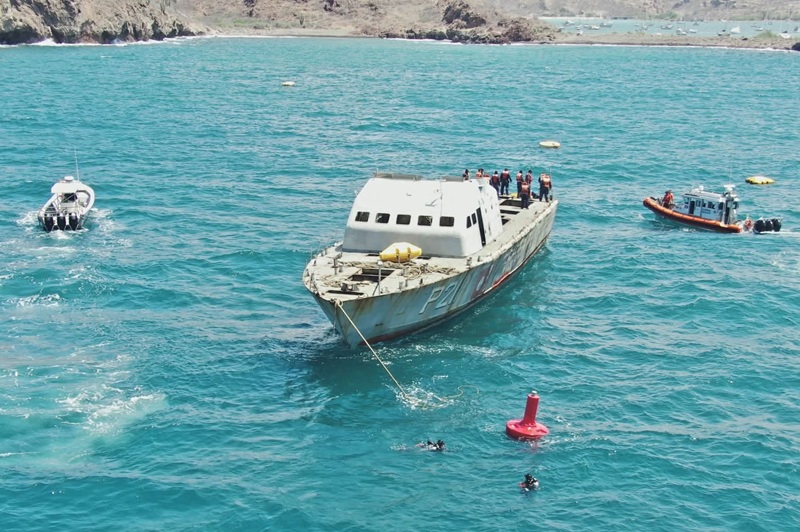
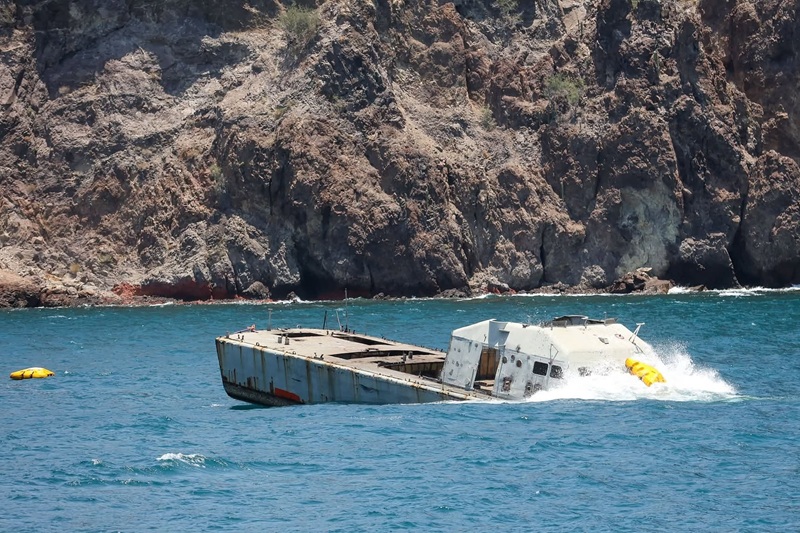
Sinking of the Mexican Navy ship ARM Mariscal PC-211, in July 2026
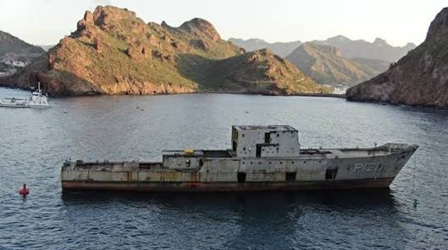
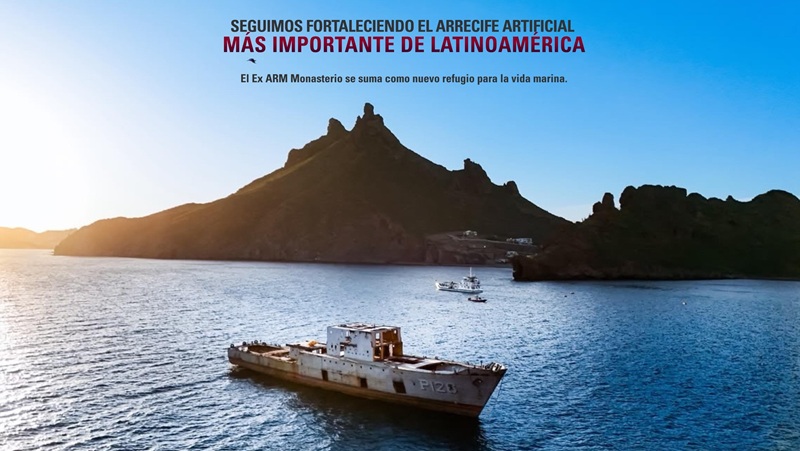
Sinking of the Mexican Navy ship ARM Ángel Ortiz Monasterio, in August 2026
Plan Your Visit to San Carlos
Ready to explore the Sonoran Artificial Reef System? Whether you’re an experienced diver or simply looking for unforgettable outdoor adventures, San Carlos offers something for everyone.
- Diving in San Carlos – Discover local dive sites, dive shops, and certification information.
- Snorkeling in San Carlos – Find the best snorkeling beaches and marine life viewing spots.
- Top Things to Do in San Carlos – Explore the best beaches, hiking trails, boating, fishing, and family-friendly activities.
Discover One of San Carlos’ Hidden Treasures
The Sonoran Artificial Reef System is much more than a collection of sunken ships—it’s a remarkable example of conservation, recreation, and innovation coming together beneath the waters of the Sea of Cortez.
Whether you’re planning your first dive in San Carlos, looking for your next underwater photography adventure, or simply fascinated by the transformation of retired naval vessels into thriving marine habitats, this unique reef system is well worth exploring.
With 14 artifacts now in place and the project expanded to 16, the Sonoran Artificial Reef System will continue to grow while marine life colonizes the newer vessels and the established wrecks develop into increasingly rich underwater habitats.